
Not-so-Happy Hour: The Link Between Alcohol & Allergies Pinnacle ENT Associates
Михаил Зборовский Cosmobet: секреты успеха в гемблинге
February 5, 2022
Individuals with pre-existing respiratory conditions, such as allergies or asthma, may be more susceptible to alcohol-induced sneezing. The amount of alcohol consumed does not necessarily correlate with the likelihood of sneezing. Some individuals may experience sneezing even after consuming small amounts. Many people are familiar Sober living home with common side effects of alcohol, including lowered inhibitions, euphoria (i.e., feeling “tipsy”), decreased coordination, and hangovers. However, alcohol can also have effects with which many people may not be familiar.
The Congestion Connection
However, if you experience severe or persistent symptoms, it is advisable to seek medical advice. Grapes, wheat, hops, and gluten may be present in the alcoholic beverage, which is causing the problems, instead of the reasons drunk sneezing mentioned above. Wine contains tannins (which are found in the skin of grapes) which many people react negatively to, including experiencing diarrhea. If you suspect you have a beer allergy, you can consult a doctor and undergo allergy testing to determine the specific ingredients you are allergic to. To avoid adverse reactions, sensitive individuals should reduce their exposure to sulfites. Your descent may also have to do with that because those belonging to Asian countries face more of such problems leading to nasal inflammation on drinking alcohol.
If You Did Dry January, Read This Before You Jump Back Into Drinking
However, the electrical activity of the heart does not stop during the sneeze. If sneezing impacts your quality of life, talk to your doctor about ways to reduce or eliminate the problem. Drinking plenty of fluids will help to thin out the mucus in your nose and make it less likely to trigger a sneeze. In this article, we’ll explore why sneezing and alcohol sometimes go hand-in-hand.

Allergy to Specific Ingredients
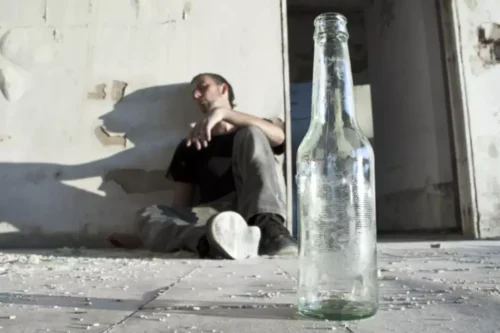
Few things can be more frustrating than enjoying a drink with friends only to be interrupted by incessant sneezing. Alcohol-induced sneezing is a peculiar phenomenon that affects a small percentage of individuals. While the exact cause is not fully understood, several theories attempt to explain why some people experience this reaction.
Causes of Stuffy Nose on Drinking Alcohol & Ways to Get Rid of it?
This can still be uncomfortable but is not an immune system response and is less serious. If you’re frequently sneezing after drinking, you must see a doctor as there may be an underlying condition that needs to be treated. Drinking plenty of water, limiting and slowing down alcohol consumption, and eating before drinking can help to reduce the vasodilation effects of alcohol.
We’re all subject to confirmation bias where we find evidence for a particular cause when we go looking for it. For example, one evening I might drink an organic wine and not suffer any allergies while on another I wake up with itchy eyes. Contrary to popular belief, your eyes won’t pop out if you manage to conquer this challenge. Sneezing sends up to 40,000 tiny droplets from your mouth and nose into the air or on nearby surfaces.

If you find that straight spirits make you sneeze, try diluting them with water or soda before you drink them. This will reduce the alcohol in the drink and make it less likely to trigger a sneeze. However, some people with Hodgkin lymphoma experience pain in their lymph nodes after consuming alcohol. The amounts of histamine vary between wines, but generally, there is more histamine in red than white wine. The immune system overreacts to this exposure in the body, treating alcohol as a threat. The body produces antibodies, and when they encounter alcohol, they set off a systemic allergic reaction.
Genetic Predisposition
- The doctor may refer the person to an allergy specialist for further testing and treatment.
- Restricted breathing or worsening asthma can start for some with only one alcoholic beverage.
This didn’t happen when I first started drinking; it was about 5 years later the first time I noticed it. If sneezing impacts your quality of life, talk to MASH Certification your doctor about ways to reduce or eliminate the problem. If you find that warm drinks make you sneeze, try chilling them before you drink them. The symptoms of a beer allergy are similar to those of other allergic reactions and can include abdominal pain, bloating, chest tightness, hives, wheezing, and chest pain.
- These symptoms can also make the nasal passage more sensitive, leading to sneezing.
- Understanding the underlying cause of sneezing after drinking beer can help individuals manage their symptoms effectively.
- But if you think your wine is contaminated by mould, it is best to discard it as it can be worse for you than just sneezing.
- It’s called chloramine and it’s used to disinfect water all around the country.
- In this article, we will explore the possible reasons behind why you may sneeze after drinking alcohol.

However, studies have found that a large percentage of red and white wines exceed these recommendations. Most wines don’t state their histamine content on the label, which can make it difficult to know what you’re choosing. The fermentation and ageing process of making wine directly produces histamines, the chemicals your body makes in response to allergy triggers. Nearly https://ecosoberhouse.com/ half of individuals with AUD who abruptly stop or reduce alcohol intake experience signs of alcohol withdrawal (1). Psychological effects such as anxiety, irritability, depression, and intense cravings for alcohol are common.

 EN
EN  TH
TH